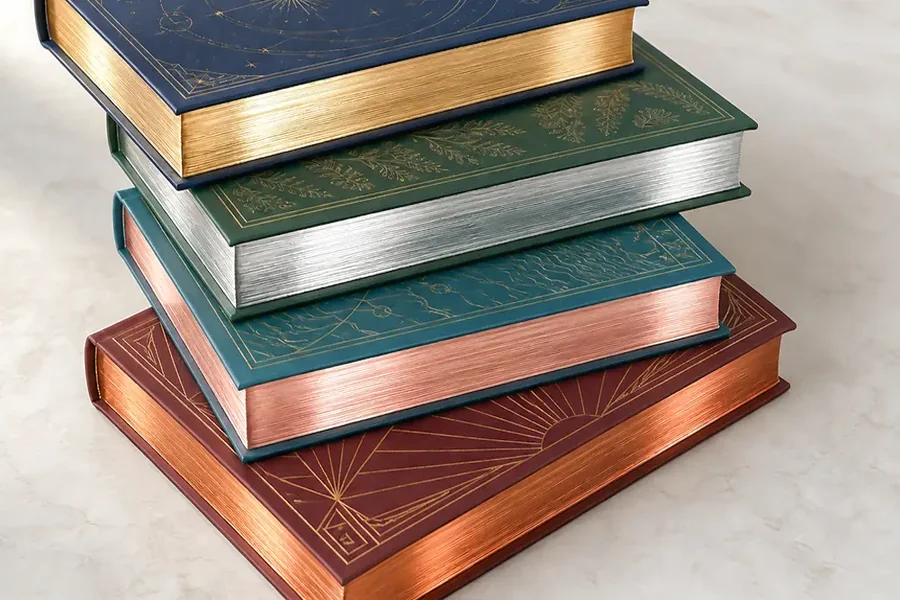
A well-crafted hardcover book offers more than just a way to share information or tell a story. It creates a lasting impression, provides superior durability, and gives readers a premium experience. Whether you’re publishing a novel, memoir, coffee table book, children’s story, business guide, or educational resource, hardcover book printing is an excellent choice for authors and publishers who want to deliver a high-quality product.
In today’s publishing industry, hardcover books continue to hold their value despite the growing popularity of eBooks and paperbacks. Their elegant appearance, long lifespan, and professional presentation make them a preferred option for collectors, libraries, businesses, and readers who appreciate premium publications.
What Is Hardcover Book Printing?
Hardcover book printing involves producing books with rigid protective covers instead of flexible paper covers. These books are designed to withstand frequent handling while maintaining their appearance over time.
A hardcover book typically includes:
- A sturdy board cover
- A printed dust jacket or case wrap
- Durable binding
- High-quality interior pages
- Endpapers that connect the pages to the cover
This construction makes hardcover books significantly stronger than paperbacks, allowing them to last for years without showing excessive wear.
Why Choose Hardcover Books?
Hardcover books offer several advantages that make them a worthwhile investment for many publishing projects.
Superior Durability
One of the biggest benefits of hardcover books is their ability to withstand daily use. The rigid cover protects the pages from bending, tearing, and general wear, making hardcover editions ideal for books that will be read repeatedly.
Libraries, schools, and collectors often prefer hardcover editions because they remain in excellent condition for much longer than softcover alternatives.
Professional Presentation
A hardcover instantly gives a book a premium appearance.
Whether displayed on a bookstore shelf or presented as a corporate publication, hardcover books convey professionalism and quality. This enhanced presentation can increase perceived value and leave a stronger impression on readers.
Better Long-Term Value
Although hardcover books generally cost more to produce than paperbacks, they often command higher retail prices. Readers are frequently willing to pay more for a durable edition that offers greater longevity and visual appeal.
For authors, this can help improve profit margins while positioning the book as a premium product.
Types of Hardcover Binding
Not all hardcover books are produced the same way. Different binding methods are available depending on the purpose of the publication.
Case Bound Books
Case binding is one of the most common methods used for hardcover printing. The pages are sewn or glued together before being attached to a rigid cover.
This method provides exceptional durability and is commonly used for:
- Novels
- Textbooks
- Business books
- Reference guides
- Memoirs
Lay Flat Binding
Lay flat binding allows books to remain open without forcing the pages down.
This option works especially well for:
- Photography books
- Cookbooks
- Art books
- Instruction manuals
Readers can comfortably view two-page spreads without damaging the spine.
Popular Uses for Hardcover Book Printing
Hardcover books are suitable for a wide range of publishing projects.
Some of the most common applications include:
- Fiction and novels
- Children’s books
- Educational textbooks
- Corporate reports
- Coffee table books
- Family history books
- Religious publications
- Training manuals
- Anniversary books
- Luxury gift editions
Their premium appearance makes them appropriate for both commercial and personal publishing projects.
Choosing the Right Paper
The quality of the interior pages contributes significantly to the overall reading experience.
Common paper options include:
- Matte paper for novels
- Gloss paper for photo books
- Uncoated paper for journals
- Premium coated paper for art books
Paper thickness, brightness, and finish should complement the type of content you’re publishing.
Cover Design Matters
The cover is often the first thing readers notice.
A professionally designed hardcover should include:
- High-resolution graphics
- Readable typography
- Balanced layout
- Strong color contrast
- Durable finish
Many publishers also choose special finishing options such as foil stamping, embossing, debossing, or spot UV coating to create an even more impressive presentation.
These finishing touches help hardcover books stand out while adding a premium feel.
Print on Demand vs. Bulk Printing
Authors today have multiple printing options depending on their publishing goals.
Print on Demand
Print on demand allows books to be printed individually after an order is placed.
Benefits include:
- No inventory storage
- Lower upfront costs
- Reduced financial risk
- Easy updates for future editions
This option is particularly attractive for independent authors and small publishers.
Bulk Printing
Bulk printing is often more cost-effective when producing large quantities.
Advantages include:
- Lower cost per copy
- Greater customization
- Ideal for large launches
- Suitable for bookstore distribution
The best option depends on your expected sales volume and budget.
Preparing Your Book for Printing
Before sending your files to a printer, ensure every aspect of your book has been finalized.
Important preparation steps include:
- Complete editing and proofreading
- Professional interior formatting
- High-resolution cover design
- Proper bleed settings
- ISBN assignment if required
- Final print-ready PDF files
Taking the time to prepare accurate files helps avoid printing delays and costly revisions.
How to Select a Hardcover Printing Service
Not all printing companies provide the same level of quality or customer support.
When evaluating a printing provider, consider:
- Print quality
- Binding durability
- Available cover finishes
- Paper options
- Turnaround time
- Shipping capabilities
- Customer support
- Pricing transparency
Requesting a printed proof before approving a full production run can help ensure the finished product meets your expectations.
Why Hardcover Books Continue to Thrive
Despite the growth of digital publishing, hardcover books remain highly desirable. Readers continue to appreciate the tactile experience, durability, and collectible nature of a beautifully printed book.
For authors, hardcover editions provide an opportunity to create a lasting product that reflects the effort invested in writing and publishing. Businesses also use hardcover books to produce high-end reports, commemorative publications, and branded materials that leave a memorable impression.
As printing technology continues to improve, hardcover books are becoming even more accessible through both bulk production and print on demand services.
Final Thoughts
Choosing hardcover book printing is an investment in quality, durability, and presentation. Whether you’re publishing a novel, educational guide, children’s book, or premium business publication, a hardcover edition offers lasting value for both authors and readers. Its sturdy construction, professional appearance, and ability to withstand years of use make it a preferred choice for projects that deserve a polished and enduring format.
By selecting the right printing partner, using high-quality materials, and paying close attention to design and production details, you can create a hardcover book that not only captures attention but also provides readers with an exceptional experience from the moment they pick it up.