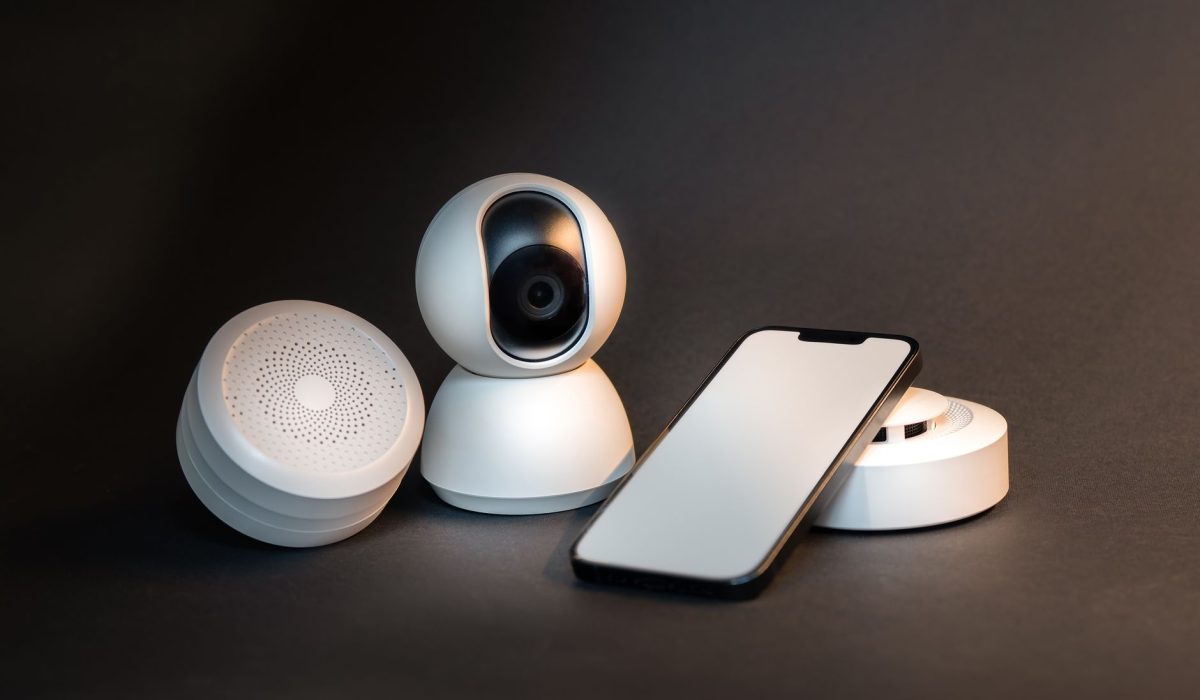
Smart-home technology used to be judged primarily by what it could do. A connected appliance was impressive because it could automate a task, respond to an app, or operate with less supervision. Today, those capabilities are increasingly expected. As technology becomes a more permanent presence in the home, another question is becoming just as relevant: how well does it actually belong there?
This is especially noticeable with products that remain visible between uses. Robot vacuums and their charging stations are rarely hidden away after every cleaning cycle. They may sit in a living room, hallway, kitchen, or another carefully designed space for years. As a result, materials, proportions, finishes, and even the visual character of the charging dock can influence how naturally the technology fits into an interior.
That shift is pushing smart-home brands to think beyond pure functionality. Premium materials can make technology feel more intentional, privacy can shape how comfortable people feel having connected devices in personal spaces, and material choices can speak to younger consumers who increasingly consider environmental impact alongside aesthetics.
bObsweep’s recent products illustrate several sides of this evolution.
When Materials Give Technology a More Premium Presence
Luxury in home design is often communicated through materials rather than through decoration alone. Natural stone, solid wood, glass, and metal tend to feel different from surfaces designed merely to imitate them. The same principle can apply to technology.
UltraVision takes this approach through its real stainless-steel dock. Instead of treating the charging station simply as a functional accessory that has to be tolerated within a room, the use of metal gives it a more substantial and refined presence.
This matters because a docking station occupies permanent visual space. While the robot itself moves throughout the home, the station remains in one location and effectively becomes part of the surrounding interior. A more considered material choice can therefore help bridge the gap between appliance and furnishing.
Stainless steel is particularly well suited to contemporary interiors because it already has a familiar architectural language. It appears in kitchens, fixtures, hardware, lighting, and modern furniture, allowing a technology product to connect visually with materials that may already exist elsewhere in the room.
The result is a different interpretation of premium positioning. Rather than relying only on specifications or advanced features to communicate value, the physical material provides something users can immediately see and touch.
That does not mean every smart-home device needs to become a statement piece. In many interiors, successful technology does the opposite: it integrates quietly enough that it does not interrupt the design. Using authentic materials can help achieve that effect by making the product feel less like an added gadget and more like an intentional part of the space.
And as connected devices become more visually integrated into our homes, the definition of good design expands beyond appearance. People also need to feel comfortable with what those devices are doing while they are there.
Privacy as Another Form of Thoughtful Design
A robot vacuum enters some of the most personal areas of a home. It may move through bedrooms, home offices, children’s spaces, and living areas while family members and pets go about their daily routines. That makes privacy an increasingly meaningful part of the smart-home experience.
Bio approaches navigation without taking or recording images of the home, the people living in it, or their pets. This makes privacy more than an abstract promise attached to the product. It becomes part of how the device is designed to operate. The same privacy-conscious approach is relevant to models such as bobsweep maxim pet, which are built for everyday cleaning in active households where pets, people, and personal spaces naturally overlap.
That distinction can matter for homeowners who want the convenience of automated cleaning without introducing another image-capturing device into their living space. Smart technology often involves a trade-off between greater functionality and greater access to the home. Products that can perform their core functions while limiting the type of information they collect offer another way to think about that relationship.
From a design perspective, this is important because a well-integrated product should not only look comfortable in a room; it should also feel comfortable to live with.
The idea of “invisible technology” is often discussed in aesthetic terms – devices becoming smaller, quieter, or visually unobtrusive. But privacy adds another dimension. Technology can also become less intrusive in the way it observes and interacts with the space around it.
For Bio, cleaning without capturing household images helps support that quieter form of smart-home integration. The robot can perform its role while asking less of the homeowner in terms of visual access to private spaces.
And that philosophy extends beyond privacy. For a younger generation of shoppers, the materials a product uses and the way it presents itself can matter alongside what it does. Bio’s contemporary styling and use of bio-based plastic bring that next part of the design conversation into focus.
Designing for a More Values-Conscious Generation
For many younger consumers, choosing products for the home involves more than comparing performance and price. Design still matters, but so do questions about materials, environmental impact, and whether a product reflects the way they want to live.
Bio fits naturally into that conversation. Its modern styling gives it a cleaner, more contemporary presence than the purely utilitarian look traditionally associated with household appliances. bObsweep also offers the model in several nature-inspired finishes, reinforcing the idea that a robot vacuum can be selected with the surrounding interior in mind rather than treated as something that should simply disappear from view.
The material choice is equally important. Bio is made with bio-based plastic that incorporates ingredients derived from renewable natural sources. According to bObsweep, the material is intended to provide the durability associated with traditional ABS while introducing renewable-source content into the product.
That does not make a robot vacuum environmentally neutral, nor does one material choice define the sustainability of an entire product. But it does represent a more deliberate approach to how everyday technology is made.
This type of thinking can be particularly relevant for environmentally conscious Gen Z shoppers. Younger buyers are often entering the home market with different expectations from previous generations. They may want products that feel current, work efficiently, and fit into carefully curated spaces, while also paying closer attention to the story behind the materials they purchase.
For brands, that creates an opportunity to rethink what “premium” actually means. Premium can still involve refined finishes such as UltraVision’s stainless-steel dock, but it can also mean making thoughtful decisions about privacy, materials, and visual integration.
In that sense, Bio and UltraVision represent two different expressions of the same broader idea. One uses authentic metal to give technology a more architectural presence. The other combines contemporary design, privacy-conscious operation, and renewable-source material content to create a different kind of smart-home proposition.
The New Definition of a Well-Designed Smart Home
As connected products become more common, the boundary between technology and interior design will continue to fade. Devices that once would have been evaluated almost entirely through specifications are now expected to coexist with furniture, finishes, lighting, and the personal values of the people who live with them.
That changes the meaning of good smart-home design.
It is no longer enough for a device to work well in isolation. It should also feel appropriate in the environment where it will spend its life. That can mean using real materials instead of merely imitating them, minimizing unnecessary intrusion into private spaces, or introducing material choices that respond to changing environmental expectations.
UltraVision and Bio approach those priorities differently, but together they illustrate how robotic cleaning can move beyond the traditional appliance mindset.
The future of smart-home technology may therefore be defined less by how futuristic a device appears and more by how naturally it belongs. The strongest products will be those that combine useful technology with thoughtful materials, visual restraint, and a greater awareness of the people and spaces around them.