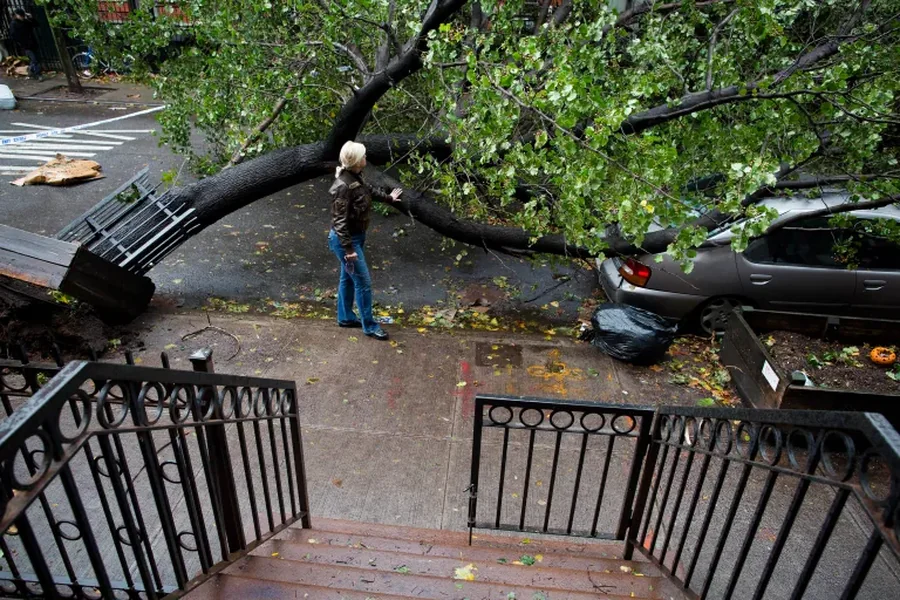
Falling branches and trees can create serious hazards for drivers of all vehicle types. This is especially true during periods of storms, high winds, and severe weather. These roadway obstacles can appear suddenly, leaving you with little time to react safely. Even a relatively small branch can force you to make a dangerous maneuver or even damage your vehicle.
Severe Weather and Falling Trees
Severe weather is one of the most common reasons that branches and trees fall onto the roadway. Strong winds can uproot trees, cause damaged limbs to fall without warning, and break branches. Heavy rainfall can weaken the soil structure supporting the trees’ roots and saturate the ground.
Unfortunately, when trees lose their stability, they may fall across roadways, driveways, and even sidewalks. Drivers traveling through wooded areas can encounter these obstacles on the roadway. This becomes exceedingly dangerous when storms decrease visibility while driving.
To make it even worse, both snow and ice can create additional problems. Ice accumulation adds additional weight to tree branches, increasing their likelihood of breaking off. Heavy snow can also place new pressure on trees that are already weak. It’s imperative that drivers remain alert during severe weather conditions so they can respond quickly to these unexpected roadway obstacles.
Why Are Tree Branches Hard to See?
When you think about trees blocking the roadway, you may picture a large tree over the lane that you’re driving in. While that can definitely happen, fallen branches are more common. These are much harder to identify because they blend into the surrounding landscape. Small limbs can easily look like shadows, debris, and leaves on the pavement.
Driving in low-visibility conditions can make fallen branches even more dangerous. Darkness, fog, rain, and blowing debris can easily prevent drivers from recognizing a fallen branch until they’re too close to respond. Motorists who are traveling at a higher rate of speed also have less time to respond safely to the branch.
Fallen branches can collect around road shoulders, curves, and even intersections. Drivers who maintain their focus on the center of the roadway can easily overlook debris near the edge of the road. Consistently scanning the road ahead of you and maintaining a safe speed are two of the best ways to help identify these obstacles as early as possible.
How Fallen Trees Cause Collisions
Fallen trees can force drivers to make sudden maneuvers to avoid them. These abrupt steering movements can cause drivers to easily lose control of their vehicles. The risk of losing control increases when the pavement is icy, wet, or covered in road debris. A driver who overcorrects may accidentally leave their lane and strike another vehicle or collide with a roadside object.
Additionally, drivers who come upon a fallen tree that’s blocking the roadway have an increased risk of a rear-end collision. Drivers behind them may not respond as quickly because they can’t see what’s going on.
Road Debris Can Cause Vehicle Damage
Fallen branches can cause significant damage to your vehicle, even if they’re not completely blocking the roadway. Driving over thicker branches can damage your tires, interfere with your steering or suspension components, and puncture your undercarriage. Larger branches can strike your vehicle’s hood, roof, or even windshield.
These impacts could leave you with damaged body panels or even cracked glass. These issues could limit your ability to see the roadway clearly and result in serious injuries. Anytime drivers encounter debris, they should avoid it to protect their vehicles. Additionally, avoid stopping beneath any visibly damaged trees with overhanging limbs. If a branch does strike your vehicle, it’s best to pull over in a safe location and assess the damage before proceeding.
Hidden Roadway Hazards
Fallen trees can create additional dangers beyond the tree itself. Broken limbs can remain suspended in nearby trees, increasing the risk of debris falling onto the roadway or vehicles traveling on it. Downed trees can easily damage utility lines and create electrical hazards involving low-hanging wires. When trees block parts of the roadway, drivers may have to travel along unfamiliar detours. Taking the time to recognize these secondary hazards can allow you to respond safely to them.
What to Do When You See Fallen Trees
Anytime you encounter a large branch or fallen tree on the road, it’s important to remain calm. Avoid swerving or braking suddenly, as that can create additional hazards. Reduce your speed carefully and evaluate the available space. If the downed tree blocks the roadway, maintain a safe distance from it to give other drivers time to slow down.
If you do have to stop, be sure to look around for any damaged trees or nearby branches that are overhanging the roadway. Trees can become unstable during storms, and their branches can fall onto your vehicle. Be sure to contact local emergency personnel to help remove trees from the roadway and divert traffic accordingly.
Who Is Responsible for Fallen Tree Accidents?
Who’s responsible for an accident involving a fallen branch or tree really depends on the individual circumstances surrounding the accident. In many cases, a fallen tree or branch is caused by severe weather. This creates a sudden hazard that nobody could have reasonably prevented.
However, in other instances, a party may be liable because they were negligent. For example, if a property owner ignored clear signs that their tree was dangerously unstable and that tree fell onto the roadway, causing an accident, they may be held liable. In some situations, a government agency or road maintenance contractor could be held liable if they failed to remove the obstruction from the roadway appropriately.
The location of the tree, the actions of the driver, the cause of its fall, and prior warnings can all be relevant when it comes to determining accident liability. It’s always best to speak with an experienced car accident lawyer like the attorneys at Pittman, Roberts & Welsh when you’re involved in a fallen tree accident. An attorney will be able to tell you what legal options you may have and help you navigate the process of filing a claim if you choose to