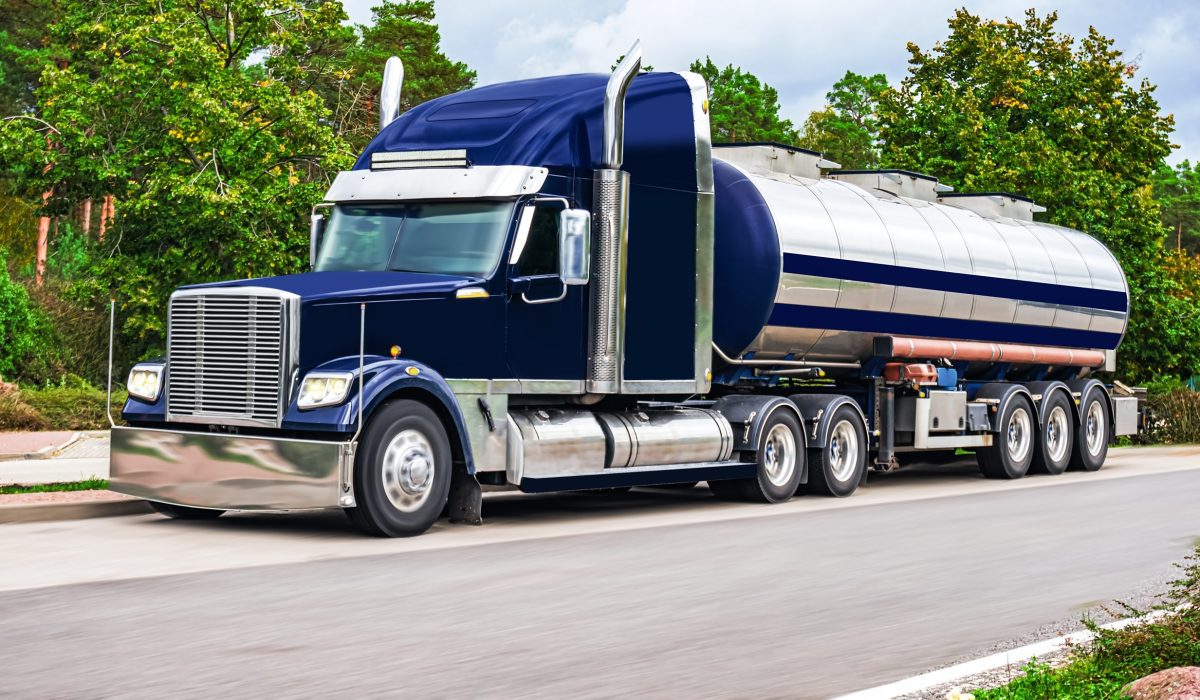
Commercial trucks pose a unique hazard when it comes to traveling through tunnels, bridges, overpasses, and other structures that have a limited vertical clearance. Commercial trucks are significantly heavier and taller than passenger vehicles. Being mindful of low-clearance warnings helps to alert commercial drivers when their vehicle may not safely fit beneath the structure.
Unfortunately, if a truck driver misses or simply ignores these warnings, there can be serious consequences. A collision with a low-clearance structure can not only damage the truck but also nearby vehicles, the structure, and even the cargo. Depending on the specific circumstances of the crash, it can result in serious injuries or even fatalities.
Understanding Low-Clearance Warnings
Traffic signs and other warning devices that alert drivers to a height restriction are considered low-clearance warnings. These are placed before overpasses, bridges, tunnels, parking structures, and other areas with limited vertical height. The posted clearance helps drivers determine whether their vehicle can safely pass underneath the structure.
It’s imperative that commercial truck drivers understand the overall height of their vehicle and cargo before approaching any of these areas. The height of the truck can vary depending on the type of vehicle, the cargo that you’re transporting, and how the cargo is loaded. Being mindful of your vehicle’s overall height will allow you to make better-informed decisions about where you can safely fit.
Why Are Low-Clearance Accidents So Dangerous?
Whenever a truck strikes a low-clearance structure or bridge, it can create several different problems. The impact can damage the truck itself, its cargo, trailer, or even mechanical components. The cargo can easily shift or become dislodged during the collision. Anytime that debris falls onto the roadway, other motorists can suddenly encounter an obstruction that they simply can’t avoid.
The structure the truck was trying to pass under can also sustain damage. Any collision involving a large commercial vehicle can affect the integrity of the overpass, bridge, or other infrastructure. It’s important to remember that these crashes go beyond just how they affect the truck driver and their vehicle. Other motorists, pedestrians, construction workers, or other people near the structure can also be exposed to the damage.
How Do Truck Drivers Miss Low-Clearance Warnings?
Unfortunately, there are many different reasons that truck drivers can miss the low-clearance warnings. Driver distraction is one of the most common reasons because the driver is looking at their navigation system, their phone, or doing another activity that takes their attention away from roadway signs.
Another contributing factor is fatigue. Anytime that a driver is fatigued, their ability to notice important information diminishes. Because commercial truck drivers tend to spend long periods on the road, fatigue can reduce their alertness and reaction time. This can increase their risk of a low-clearance collision.
One other potential reason truck drivers may miss low-clearance warnings is due to unfamiliarity with the area. A driver who’s traveling on a new roadway or in an unfamiliar city may be looking at many other roadway features and not taking in the low-clearance signs. It’s important to note that navigation systems also play a role in low-clearance collisions.
Many times, navigation systems will direct truck drivers down roadways that are only accessible to passenger vehicles. If the driver isn’t using a navigation system that’s specifically designed for trucks that have higher clearance restrictions, they may find themselves on roadways they cannot fit on.
It’s Imperative to Know Truck Height
It’s always necessary for any commercial truck driver to understand the height of their vehicle. This is not something that you should guess at, as all it takes is a couple of inches to have a major collision when going under a structure. Realize that the height of a vehicle can change depending on the cargo that you’re hauling.
Knowing your height becomes especially important when you’re transporting machinery, tall equipment, construction materials, or other cargo that increases the overall height of your vehicle. Before a commercial driver leaves, it’s important to get a height measurement so you can make knowledgeable decisions when it comes to low-clearance locations.
A Note About Secondary Accidents
One aspect of low-clearance truck crashes that doesn’t always come to mind is the secondary collisions that can result. Anytime that there’s a disabled truck due to a low-clearance collision blocking the roadway, it can create an unexpected obstacle for approaching motorists. Drivers who simply can’t slow down in time may collide with the wrecked truck.
Furthermore, any debris from the truck or its cargo can easily spread across multiple lanes. Drivers who are approaching the scene may have very little time to react due to poor visibility. It’s fairly common for a bridge strike to become a larger roadway incident involving multiple vehicles. Speaking with a qualified truck accident lawyer like those at Edwards Law Office, P.C. is imperative to understanding what compensation you may be entitled to.
Post-Accident Assessments
While you might not think about it after a truck collides with a bridge or other low-clearance structure, that structure has to undergo a thorough assessment. Any sort of collision can cause more than just cosmetic damage. The force of the truck striking the structure can cause issues with barriers, signs, structural components, and other infrastructure.
After any significant collision, the local transportation authorities will need to inspect the structure to determine whether it’s safe for traffic. In some cases, the roadway may need to be fully closed before repairs or inspection can take place. This has a wide effect on commuters, commercial transportation, emergency vehicles, and local businesses that rely on the roadway being open.
The Legal Consequences
The particular legal consequences of a low-clearance collision will depend on several different circumstances surrounding the accident and the local laws that apply in that jurisdiction. When determining fault, it’s imperative to assess whether the driver ignored clearly posted warning signs or simply failed to operate their vehicle safely.
Both truck drivers and trucking companies can face claims involving personal injuries, property damage, roadway repairs, and other losses. It’s fairly common for investigators to examine the driver’s actions, the cargo, the truck’s condition, the warning signs, roadway conditions, and other circumstances when determining fault.