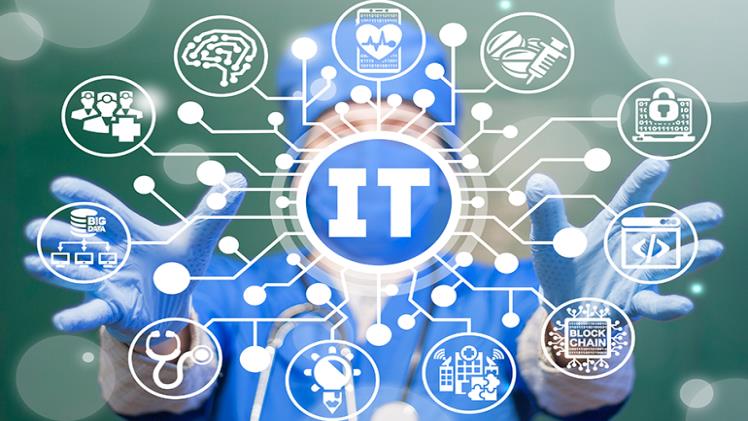

Are you struggling to keep up with constant IT issues in your business? Do rising costs and technical challenges make it hard to focus on growth? In today’s fast-paced business world, technology is at the heart of almost every operation. From secure online transactions to seamless internal workflows, companies rely on IT systems more than ever. Yet managing these systems in-house can be expensive and complicated. That’s why more businesses are turning to outsourced IT support as a way to fuel growth while keeping operations smooth.
Reducing Costs Without Compromising Quality
One of the most immediate benefits of outsourcing IT support is cost efficiency. Hiring and retaining a skilled IT team in-house involves salaries, benefits, training, and overhead costs. For many small and medium-sized enterprises (SMEs), this can strain budgets. Outsourced IT providers offer a flexible, pay-as-you-go model that allows companies to access expert services at a fraction of the cost.
Outsourcing also removes the need for constant recruitment, onboarding, and managing employee turnover, which can disrupt operations. By leveraging external IT support, businesses can maintain high-quality service without the financial burden of permanent staff.
Access to Specialized Expertise
Technology evolves rapidly, and keeping up with the latest hardware, software, and cybersecurity protocols is challenging. Outsourcing IT support gives businesses access to a team of specialists with diverse skill sets. A reliable managed IT services provider can offer expertise that in-house teams might not have, advising on cloud migration, advanced cybersecurity, and software integration. This specialized knowledge ensures companies can adopt new technologies efficiently, supporting both innovation and growth.
Improved Focus on Core Business Activities
Running a business requires attention to strategy, operations, and customer experience. When internal teams are bogged down by IT issues, such as system failures or network downtime, productivity can suffer. Outsourcing IT support allows business leaders and staff to focus on their core responsibilities, while experts handle technology management.
This separation of duties often leads to faster problem resolution, fewer disruptions, and a more efficient workflow. Teams can devote their energy to growing the business, developing new products, or improving customer service, confident that their IT infrastructure is reliable and secure.
Enhanced Security and Compliance
Cybersecurity threats are increasingly sophisticated, targeting businesses of all sizes. A data breach or system compromise can have severe financial and reputational consequences. Outsourced IT support providers often have robust security protocols, monitoring tools, and incident response strategies in place.
Additionally, many industries face strict regulatory requirements, such as GDPR for data privacy or HIPAA for healthcare information. Maintaining compliance can be complex and time-consuming. IT outsourcing partners help businesses meet these standards, reducing the risk of fines and ensuring sensitive data is protected.
Scalability and Flexibility
Growth often brings fluctuating IT demands. A company expanding rapidly may need additional support during peak periods or when launching new services. Outsourced IT teams can scale their services according to the company’s needs, providing flexibility that an in-house team may struggle to match.
This scalability is particularly valuable for startups and SMEs, which may experience sudden growth spurts or seasonal demand. Instead of investing in permanent infrastructure, they can rely on an external partner to adjust resources dynamically, supporting expansion without unnecessary expenses.
Proactive Monitoring and Maintenance
Modern IT outsourcing goes beyond reactive troubleshooting. Many providers offer proactive monitoring, routine maintenance, and predictive analytics to prevent problems before they occur. This approach minimizes downtime, reduces costs associated with emergency repairs, and ensures that systems operate optimally.
Proactive IT management also enables businesses to plan upgrades and technology investments strategically. By anticipating potential issues, companies can avoid disruptions that might slow growth, giving them a competitive edge in a technology-driven market.
Conclusion
Outsourcing IT support has become more than just a cost-saving measure—it is a strategic growth enabler. By reducing expenses, providing specialized expertise, enhancing security, and allowing businesses to focus on core operations, outsourced IT support helps companies scale efficiently and innovate with confidence.
In a world where technology underpins every aspect of business success, partnering with a managed IT services provider is no longer optional—it’s a smart growth strategy. Companies that embrace this approach can stay competitive, agile, and prepared for the challenges of tomorrow, all while keeping costs predictable and operations running smoothly.