
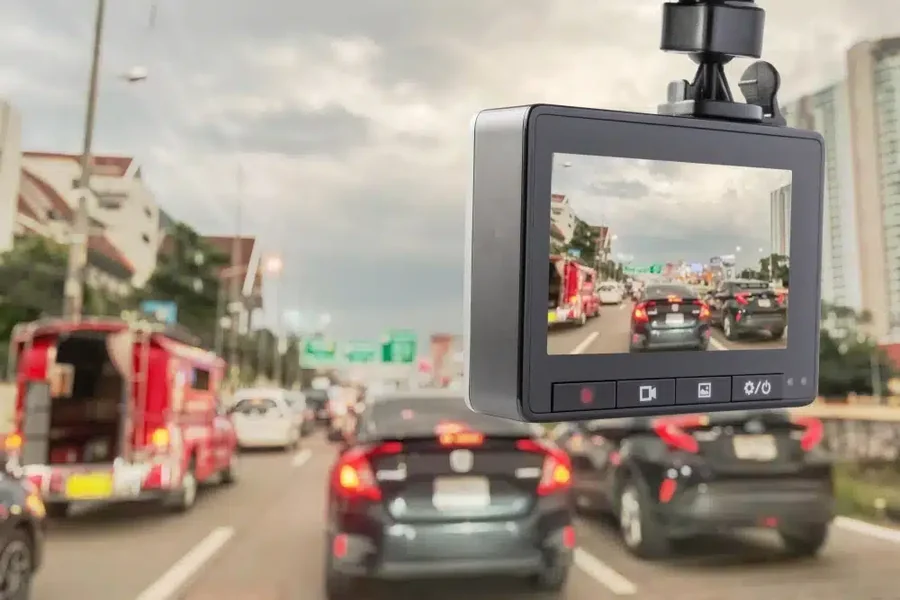
Dashboard cameras are a new technology that makes it easier for investigators to determine liability after car collisions. It used to take several weeks to learn the information that the courts, lawyers and insurance companies need, but this is no longer the case. We will examine exactly how dashboard cameras are revolutionizing the insurance industry below:
Investigations of the Past
Attorneys used to have to interview witnesses, gather police reports, examine video or photo evidence, and read medical reports to determine liability in a collision. This method was effective in accomplishing the goal, but it often led to human error or faulty interpretations. Technology now allows us to bypass human interpretation, enabling cases to be built with much greater precision.
Dashboard cameras are powered by Artificial Intelligence, which means they scan thousands of documents in a fraction of the time it would take a human being. They can also review video evidence in a shorter time. This is valuable for time savings, but the dashboard camera can also identify discrepancies and patterns that the human eye may miss. Sometimes, it only requires a few seconds of video to identify the person who is liable for the car collision.
The History of the Dashboard Camera
Dashboard cameras have been around for several decades. The first one appeared in Texas in the 1980s, and they are now regularly seen all over the world. Insurance fraud is the main reason that dashcams have become more common. In rural areas, there weren’t many witnesses, so people frequently make fraudulent claims that supposedly occurred in the darkness of these locations. Now, people can use dashcams that offer undisputable evidence for their claims.
How Does AI Tell the True Story?
The AI’s computer simulations reenact the collision with three-dimensional models, and they are extremely precise. Data from the dashcam and GPS combine to create an extremely compelling story. It does this by analyzing real-time sensor data from smartphones, traffic cameras and vehicles that were part of the collision. By doing so, it can estimate the speeds at which the vehicles were traveling, determine the drivers’ reaction times and determine how well the drivers could see the road when they crashed. This is difficult and technical, but the judge and the jury will be able to easily understand it.
Clarity
The video is high-resolution, capturing the events in real time. When people view this evidence, they clearly see the traffic signals, road signs and the vehicles involved in the collision. Depending upon the model of the dashcam, it may also record the location of the GPS, the speed data and the time stamps. This allows the Plaintiff’s attorney to present a highly reliable timeline in court.
Accuracy
Dashcams also reduce instances of exaggeration and fabrication. The Commercial Carrier Journal gave dashcams the credit for reducing the number of fraudulent insurance claims. It also stated that dashcams have identified fraud in approximately 20% of collision cases. When dashcam evidence is available, it reduces disputes between motorists by 27%.
More Than Accuracy
Dashboard cameras do more than just provide an accurate picture of a car crash. They can give us explanations for why the crash occurred. Dashboard cameras create video data and sensor data, and this data can tell researchers if a driver was engaging in risky behaviors while driving before they caused the collision.
One thing that the dashcam has the ability to do is reconstruct the collision. It uses AI algorithms to analyze the driver’s actions, the vehicle’s movements and the changes in speed to determine which motorist caused the crash. It can also predict human behavior. For example, the AI learns the human driver’s usual manner, so it can tell the difference when the driver is distracted, drowsy or even when the motorist is not wearing his or her seatbelt. This data lets the AI know that the driver is likely to engage in risky driving behaviors.
Technology in the Legal System
Technology is entering the legal system in more ways than just the Dashboard camera. You can now attend court in a remote hearing. You can also testify by way of video. There are also digital filing systems. All of these developments and the dashcam shorten the length of time that legal matters take. They also increase people’s access to these services. More importantly, technology is ensuring that legal proceedings are as transparent as possible. Because of this, the public can be confident that the legal system works as they expect.
We Are Not Eliminating Humans
Technology is becoming more prevalent worldwide, but it will never completely replace human influence. AI is excellent at explaining the facts, but it cannot understand human emotions or explain a human being’s intent during an interaction. That is why it can be so helpful to work with a tireless car accident insurance claim lawyer who is familiar with the insurance company’s tricks and tactics. Attorneys take evidence from dashcam footage and craft a powerful strategy for presenting their cases in court or in negotiations.
Is Dashcam Evidence Admissible in Court?
Dashcam evidence is usually admissible in court, as long as it meets specific criteria. First, no one must have been able to tamper with this evidence. Second, the video must be relevant to the incident that is in dispute. Third, the video must be authentic. In most cases, the footage will be admissible in court, but this may vary by jurisdiction. There may also be other circumstances under which the evidence cannot be admitted. Motorists can check the legal requirements in their locations to determine whether dashcam evidence is admissible.
If the dashcam evidence appears to have been edited, the other side can challenge it in court. However, if the video has timestamps and metadata, the other side will have a more difficult time disputing it. For this reason, dashcam video must be stored securely. By also backing up your video footage, you ensure it is credible and indisputable.
Privacy and Dashboard Cameras
Many people are concerned about privacy when it comes to Dashboard cameras. That is because individual people are being recorded, and they did not offer their consent. Before you use a Dashboard camera in your vehicle, it is a good idea to know the privacy laws in your area so that you are not subject to any legal repercussions.