
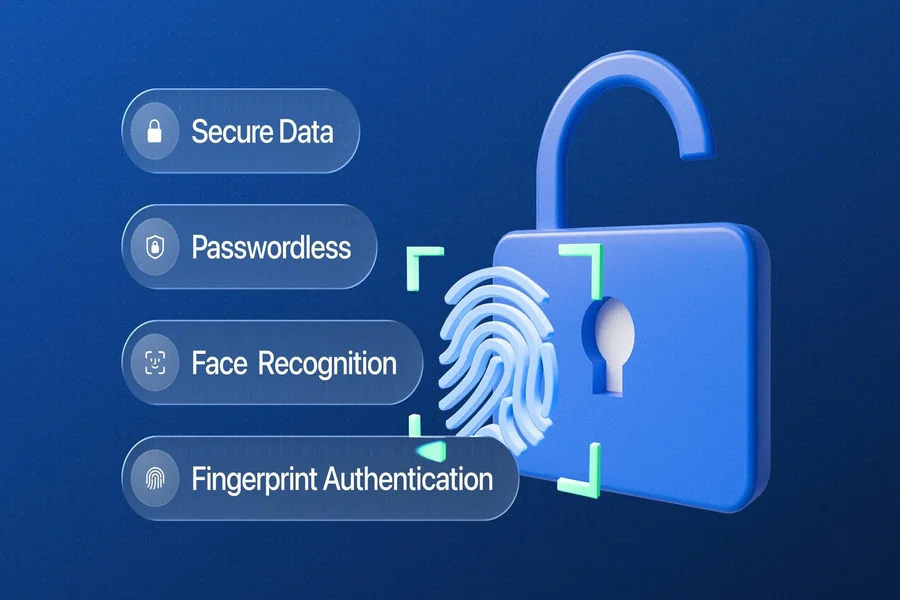
In an increasingly digital economy, resilience has become a defining factor for long term business success. Organizations must be able to withstand cyber threats, operational disruptions, and regulatory pressures without compromising performance or trust. Identity validation plays a critical role in strengthening this resilience by ensuring that every digital interaction is based on verified and trustworthy identities. When identity processes are robust and secure, businesses reduce exposure to fraud, unauthorized access, and reputational damage. Combined with advanced security frameworks, identity validation forms the backbone of a resilient digital infrastructure.
The Link Between Identity And Resilience
Business resilience is often associated with disaster recovery plans and continuity strategies. However, in a digital environment, resilience begins with identity. Every system, application, and transaction relies on accurate verification of users and devices. If identities cannot be trusted, the entire security framework becomes vulnerable.
Cybercriminals frequently exploit weaknesses in identity management systems. Phishing attacks, credential stuffing, and social engineering tactics target authentication processes rather than technical infrastructure. By strengthening identity validation procedures, organizations close one of the most common entry points for attackers.
Effective identity validation ensures that users are verified through reliable processes before gaining access to sensitive systems. This includes secure onboarding, document verification, biometric checks, and multi factor authentication. These measures not only reduce fraud but also create a consistent security baseline across the organization.
Resilient businesses understand that prevention is more cost effective than recovery. A single breach can result in financial losses, operational downtime, and erosion of customer confidence. Investing in strong identity validation helps mitigate these risks at their source.
Reducing Risk Through Layered Security
While identity validation establishes trust at the entry point, resilience requires a broader security strategy. Layered security models integrate identity management with network protection, encryption, monitoring, and governance policies. This comprehensive approach ensures that vulnerabilities in one area do not compromise the entire system.
Advanced authentication mechanisms add an extra layer of defense. By combining knowledge based credentials with biometric verification or secure tokens, organizations significantly reduce the likelihood of unauthorized access. Continuous monitoring further enhances protection by identifying suspicious behavior in real time.
More than two hundred words into this discussion, it becomes clear that identity validation alone is not sufficient without a strong technological framework. This is where Digital security becomes essential. Digital security encompasses the tools, processes, and policies that protect data, systems, and digital identities from evolving threats. When integrated with rigorous identity validation procedures, digital security creates a cohesive defense structure that supports both protection and adaptability.
This integration enables organizations to respond quickly to incidents. If unusual access patterns are detected, automated controls can restrict permissions or trigger additional verification steps. Such responsiveness limits potential damage and ensures operational continuity.
Strengthening Compliance And Governance
Regulatory expectations continue to grow as governments and industry bodies respond to rising cybersecurity risks. Organizations are required to demonstrate accountability, protect personal data, and maintain transparent audit trails. Identity validation supports these requirements by providing documented verification processes and clear access controls.
A resilient business aligns its identity and security strategies with regulatory frameworks. This alignment reduces the risk of penalties and enhances credibility with stakeholders. Clear governance structures ensure that access rights are reviewed regularly and that sensitive data is handled responsibly.
Furthermore, standardized identity validation procedures simplify cross border operations. As organizations expand into new markets, consistent verification methods help maintain security standards across jurisdictions. This consistency contributes to stability and long term growth.
Enhancing Customer Trust And Operational Stability
Customer trust is directly linked to resilience. Clients expect secure digital services that protect their personal and financial information. Strong identity validation reassures users that only authorized individuals can access their accounts or complete transactions.
Operational stability also benefits from secure identity management. When employees, partners, and contractors are granted access based on verified credentials and clearly defined roles, internal processes become more efficient. Reduced fraud and fewer security incidents translate into less downtime and lower remediation costs.
In addition, secure digital environments encourage innovation. Organizations can confidently introduce new digital services, remote work models, or cloud based platforms when identity validation and security measures are embedded from the outset. This proactive approach ensures that growth does not come at the expense of protection.
Preparing For An Evolving Threat Landscape
Cyber threats continue to evolve in scale and sophistication. Attackers increasingly target identity systems because they offer direct access to valuable data and services. Businesses that fail to modernize their identity validation processes risk falling behind.
Resilient organizations adopt adaptive security strategies that combine identity verification with continuous risk assessment. Machine learning based monitoring, behavior analytics, and automated response mechanisms strengthen defenses against emerging threats. By embedding these capabilities into daily operations, companies remain agile in the face of change.
Future resilience will depend on the ability to integrate identity validation with advanced digital security technologies. Organizations that treat identity as a strategic asset rather than a technical detail will be better equipped to navigate uncertainty and maintain stakeholder confidence.
Conclusie
Improving business resilience requires a proactive and integrated approach to security. Identity validation establishes trust at the foundation of every digital interaction, while advanced digital security frameworks protect systems and data from evolving threats. Together, they create a robust and adaptable defense structure that supports compliance, operational continuity, and customer confidence. In a digital world where risks are constantly shifting, combining identity validation with comprehensive security measures is essential for sustainable and resilient growth.