
Key Takeaways
- Tracking backlink-focused SEO KPIs is essential for understanding your website’s authority, visibility, and long-term search performance.
- Prioritizing quality over quantity ensures your link profile grows naturally and avoids penalties associated with low-value or manipulative links.
- Monitoring trends—such as new vs. lost backlinks, referring domain diversity, and link velocity—helps you refine strategies and maintain sustainable growth.
- Analyzing competitor backlink profiles reveals new opportunities and provides benchmarks that guide your own link-building goals.
- Backlinks should not only boost search rankings but also drive meaningful referral traffic, making performance analysis vital for ongoing optimization.
Backlinks remain one of the most influential factors in shaping your website’s visibility and authority within search engines. Acting as digital endorsements, backlinks tell Google and other search engines that your content is credible and valued by others. To maximize the effectiveness of your link-building efforts, it is essential to track relevant metrics. Understanding the right SEO KPI benchmarks is crucial for achieving sustainable search growth and optimizing an effective strategy.
Rather than focusing solely on accumulating links, top-performing SEO campaigns measure the value and impact of each backlink. This involves periodically reviewing how your link profile evolves and what those changes mean for your website’s authority. By regularly assessing these KPIs, you can refine your approach, maintain compliance with search engine guidelines, and outperform your competition.
Monitoring backlink KPIs enables businesses and marketers to pinpoint which tactics are generating value and where adjustments may be needed. It ensures you do not become over-reliant on low-quality links or miss opportunities to diversify your efforts. When backed by reliable data, SEO becomes a measurable and manageable channel for growth and exposure.
Total Number of Backlinks
This metric reveals the scale of your link-building efforts. Tracking the total backlinks enables you to identify trends and measure progress over any specified period. More backlinks typically suggest rising content value, but it’s key to ensure they’re not only numerous but also relevant and from reputable sources. An inflated total filled with low-authority links can actually damage rankings, so always verify the legitimacy of the domains linking to your pages.
Referring Domains
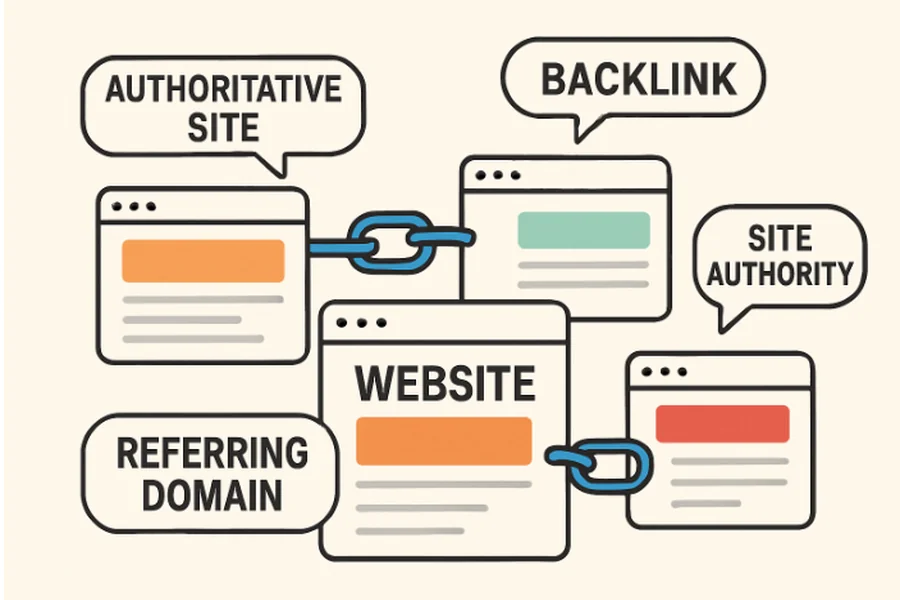
A more effective way to measure influence than the backlink count alone is the number of unique sites (referring domains) linking to your website. Google values variety, seeing a broad set of websites endorsing your pages as a robust trust signal. A growing diversity in referring domains indicates that your content appeals across industries and audiences, minimizing risk if certain domains lose their value or remove links.
New and Lost Backlinks
Regularly monitoring the new backlinks you gain and links that are lost or removed over time is a smart way to assess campaign momentum and identify possible issues. New links highlight fruitful outreach efforts and growing authority, while lost links may indicate outdated content, broken relationships, or intervention by competitors. A consistent net gain over time is the hallmark of an effective and resilient SEO effort.
Anchor Text Distribution
Anchor text—the clickable text in a hyperlink—helps search engines understand what the linked page is about. A healthy anchor text profile features a balanced mix of branded, generic, and keyword-based phrases. Over-reliance on a single type, especially exact-match keyword anchors, can appear manipulative and may lead to penalties. Regular audits of anchor text help maintain a natural and penalty-proof link profile.
Backlink Quality and Authority
Not every backlink will boost your SEO. Links from high-authority sites in your niche have far more impact than backlinks from irrelevant, low-quality, or spammy sites. Aspiring for fewer but more authoritative backlinks is typically more beneficial, as these pass more equity and trust to your domain. Assess potential backlink opportunities by reviewing key metrics, including Domain Authority, PageRank, and topical alignment.
Link Velocity
Link velocity describes the speed at which your backlink profile grows (or shrinks). Search engines may see unnaturally fast increases in links as evidence of manipulative tactics. On the other hand, consistently earning links at a steady rate signals natural growth. Tracking link velocity helps you avoid risky patterns and maintain sustainable SEO progress.
Competitor Backlink Analysis
Reviewing your competitors’ backlink profiles can reveal new opportunities and help you gauge how your website stacks up in your niche. This analysis often uncovers websites, directories, or publications you haven’t reached yet but are already linking to others in your space. Keeping pace with (and ideally surpassing) your competitors’ backlink counts and domain diversity is fundamental to long-term SEO success.
Referral Traffic from Backlinks
High-quality backlinks drive more than just search rankings—they can send targeted referral traffic to your site. Tracking the amount of traffic generated from these links helps identify which partnerships are delivering the most value. This reflection of audience engagement can also justify future collaborations and spotlight your content’s reach.
Final Thoughts
By consistently monitoring these backlink-related SEO KPIs, you empower your strategy with the insights needed to strengthen site authority, avoid penalties, and sustain search visibility. Always prioritize meaningful, high-quality backlinks over quantity. Keep your link growth natural and adapt by learning from your competitors. Over time, these best practices will position your website for enduring SEO success.