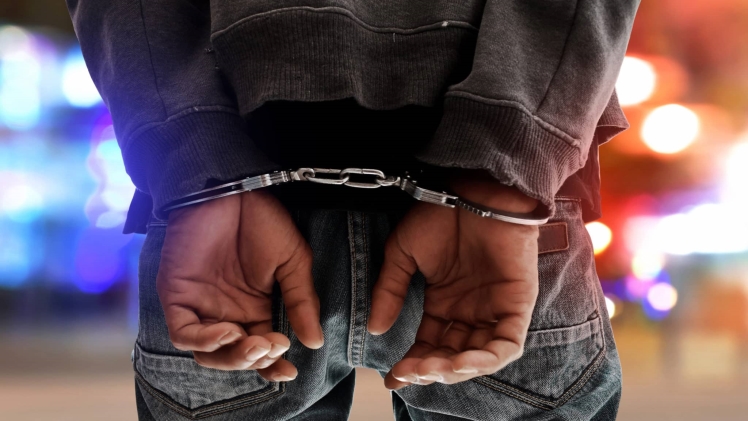

Bicycle accidents can unfold in a matter of seconds, but the arguments about what really happened can last much longer. When a cyclist and a driver remember the crash differently, determining fault becomes far more complicated than it first appears. These situations are often described as “he-said, she-said” disputes because each side has a conflicting version of the story.
For injured cyclists, these disagreements can add another layer of stress after an already frightening experience. Medical bills, repairs, and insurance questions may depend on proving who caused the accident. Understanding how these disputes are investigated can help people see how the truth is usually uncovered over time.
Understanding Why Bicycle Accidents Become Disputed
Bicycle accidents often happen quickly, leaving both the cyclist and the driver with different memories of what occurred. One person might say the cyclist ran a stop sign, while the cyclist insists the driver turned without looking. When there are no clear witnesses or camera footage, these situations can easily become “he-said, she-said” disputes.
In these cases, fault becomes difficult to determine right away. Police reports may include basic observations, but they rarely settle every disagreement. That’s why many bicycle accident claims require a deeper look at the surrounding evidence and circumstances.
Looking at the Evidence Beyond the Story
When accounts conflict, investigators look for evidence that supports or challenges each version of events. Photos of the scene, vehicle damage, and the position of the bicycle can help reconstruct what likely happened. Even small details, like skid marks or debris on the road, can tell an important story.
Medical records can also provide clues about how the accident occurred. The type and location of injuries sometimes match a specific kind of impact. While these details don’t always answer every question, they often help clarify which version of events is more consistent with the evidence.
Listening to Witnesses and Independent Voices
Witnesses can play an important role in disputed bicycle accidents. Someone who saw the crash from the sidewalk or a nearby vehicle may offer a neutral account of what happened. These third-party perspectives can carry weight because they usually have no personal stake in the outcome.
Sometimes businesses or homes near the crash site may have security cameras that captured part of the incident. Even partial footage can show traffic signals, road conditions, or the movement of vehicles. When combined with witness statements, these pieces of information help create a clearer picture of the event.
Considering the Rules of the Road
Bicyclists and drivers are both expected to follow traffic laws. Cyclists generally must obey signals, stop signs, and lane rules just like motorists do. Drivers, on the other hand, must give cyclists enough space and remain alert for people sharing the road.
When a crash occurs, investigators often compare each person’s actions with these rules. If someone ignored a traffic signal or failed to yield, that behavior may point to fault. Understanding these responsibilities can help explain how accidents happen and why disputes arise afterward.
Evaluating Legal Guidance and Next Steps
Disputed accident claims can become stressful, especially when both sides strongly believe they are right. Injured cyclists may face medical bills, lost work time, and the uncertainty of how fault will be determined. That’s why some people choose to learn more about their legal options from professionals experienced in personal injury cases like the experts at James McKiernan Injury Lawyers.
Legal professionals often review evidence, speak with witnesses, and help explain how liability works in plain terms. Liability simply means legal responsibility for the accident. When the facts are carefully evaluated, even complicated disputes can move closer to a fair resolution.
Conclusion
“He-said, she-said” bicycle accidents can feel frustrating for everyone involved. Without clear proof, the truth may seem buried under conflicting memories and emotions. Yet the process of examining evidence, hearing from witnesses, and reviewing traffic rules often brings the situation into better focus.
While not every dispute is resolved quickly, most cases eventually reach a clearer understanding of what happened. Patience and careful investigation usually reveal details that weren’t obvious at first. In the end, those details often make the difference between uncertainty and accountability.