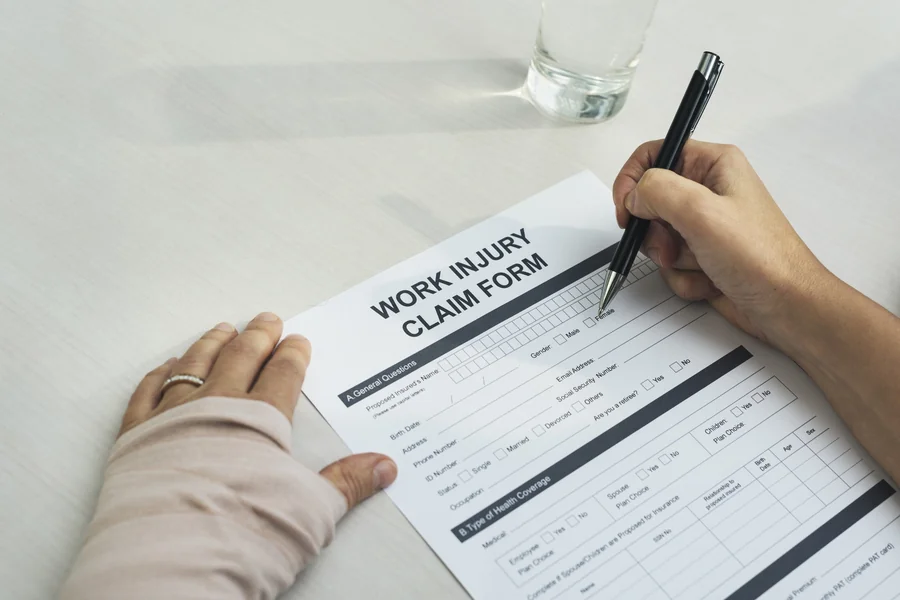
You got hurt at work in Wauwatosa. Now you face pain, lost wages, and pressure from your employer and the insurance company. One wrong move can cost you money and medical care. This blog shows the top mistakes injured workers make after a workplace injury and how you can avoid them. You learn what to say. You learn what to write. You learn when to stay silent. You also see when it helps to search for a workers compensation lawyer near me and why timing matters. The goal is simple. Protect your health. Protect your income. Protect your future. You do not need to feel powerless or confused. With clear steps and firm choices, you can stand up for yourself after an injury on the job.
Mistake 1: Not Reporting The Injury Right Away
Many workers try to push through pain. You may hope it fades. You may fear anger from a boss. That silence can crush your claim.
In Wisconsin you must tell your employer as soon as possible after an injury. Early notice helps you.
- It creates a record of what happened.
- It links your pain to your work.
- It reduces doubt from the insurer.
Here is how to avoid this mistake.
- Tell your supervisor the same day if you can.
- Use written notice. Email or a form is best.
- Keep a copy of what you send.
You can read more about reporting work injuries from the Wisconsin Department of Workforce Development at https://dwd.wisconsin.gov/wc/employee/.
Mistake 2: Skipping Medical Care Or Waiting Too Long
Some workers wait to see if pain improves. Others fear medical bills. Delay gives the insurer a reason to say your injury came from somewhere else.
You protect yourself when you seek care fast.
- Go to urgent care or an emergency room if you need it.
- Tell the doctor the injury came from work.
- Describe every body part that hurts.
Next follow the treatment plan. Missing visits can look like you healed or do not care. That can cut your benefits.
The Centers for Disease Control and Prevention offers guidance on work related injuries at https://www.cdc.gov/niosh/injury/.
Mistake 3: Giving Vague Or Changing Stories
Insurance adjusters search for gaps. If your story changes even a little they may claim you lie.
Instead stay steady.
- Write down what happened as soon as you can.
- Note the date time place and what you lifted or did.
- List any witnesses.
Use the same clear story with your employer doctors and the insurer. If you do not remember a detail say you do not remember. Do not guess.
Mistake 4: Talking Too Much To The Insurance Company
After your report you may get a call from an adjuster. The person may sound kind. The person still works for the insurer. Their goal is to pay less.
Common traps include these.
- Recorded statements that twist your words.
- Questions about old injuries.
- Pressure to say you feel fine.
You can keep control.
- Stay calm and brief.
- Stick to facts about the current injury.
- Say you want to review any forms before you sign.
- Consider legal help before any recorded talk.
Mistake 5: Posting About Your Injury On Social Media
Photos and comments can destroy a claim. An adjuster can screenshot a single moment and claim you are healthy.
To avoid harm.
- Do not post about the injury case or doctors.
- Ask family to stay quiet online.
- Review privacy settings though you should still act as if all posts are public.
Silence online protects your rights.
Mistake 6: Going Back To Work Too Soon Or Ignoring Restrictions
Many workers feel pressure to return fast. You may fear losing your job. If you push too hard you risk worse injury and lost benefits.
Focus on clear limits.
- Get written work restrictions from your doctor.
- Give a copy to your employer.
- Do only tasks that fit those limits.
If your boss asks you to lift more or move faster than your note allows speak up. Calm firm words can protect your health.
Mistake 7: Signing Forms You Do Not Understand
After an injury you may see stacks of papers. Some forms are routine. Others may cut off rights to wage loss or future care.
Watch for red flags.
- Settlement offers that come very early.
- Broad medical release forms that ask for your whole history.
- Any paper that says final or full and final.
Read each page. Ask questions. If something feels wrong you can pause and seek guidance.
Common Mistakes And Better Choices
| Common mistake | Risk for you | Better choice
|
|---|---|---|
| Waiting days to report the injury | Employer or insurer denies that it happened at work | Report the same day and keep a written record |
| Skipping early medical care | Hard to prove the cause and extent of injury | See a doctor fast and follow the treatment plan |
| Talking at length to the adjuster | Words used to limit or deny benefits | Give short factual answers and avoid recorded talks without advice |
| Posting activity photos on social media | Insurer claims you are not hurt | Avoid posts about your life during the claim |
| Returning to heavy work before you heal | Worse injury and loss of benefits | Follow written restrictions and speak up if tasks exceed them |
| Signing fast settlement papers | Loss of wage loss and future medical support | Read everything and seek guidance before you sign |
When To Seek Legal Help
You may handle some steps alone. Still some signs show you need help.
- Your claim gets denied.
- Your checks stop without reason.
- The insurer blames old injuries.
- You feel pushed to sign a final deal.
At that point a trusted guide can explain your rights and options under Wisconsin law. That support can balance the power between you and the insurer.
Take Clear Steps After A Workplace Injury
A workplace injury shakes your sense of safety. Yet your choices in the first days and weeks matter a lot.
- Report the injury fast.
- Get prompt medical care.
- Protect your story and your privacy.
- Guard your rights before you sign any paper.
Each careful step helps you protect your health income and family after a work injury in Wauwatosa.