You did everything right. You followed the rules of the road. Then a crash happened, and the other driver has no insurance. Your heart races. Your mind jumps to medical bills, car repairs, and lost pay. You may feel trapped and alone. You are not. You still have options that can protect your health, your money, and your future. This guide explains what steps to take in the first hours and days after a crash with an uninsured driver. You will see how to use your own insurance, how to document proof, and when to call for legal help. You will also learn how a firm like Delventhal Law Office may support you through the claim process so you do not carry this weight by yourself.
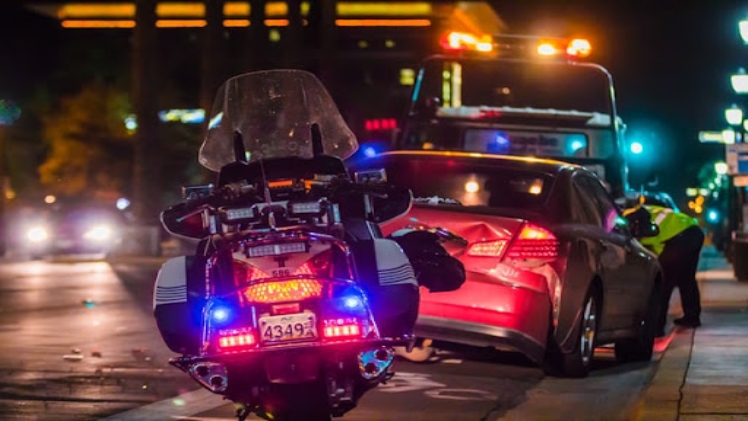
Step 1. Stay Safe and Call 911
First, protect your body. Move to a safe spot if you can. Turn on your hazard lights. Check on passengers. Do not argue with the other driver.
Then call 911. Tell the operator if anyone is hurt, where you are, and if traffic is blocked. Ask for both police and medical help.
Emergency care matters even if you think you feel fine. Some injuries hide at first. The Centers for Disease Control and Prevention explains that crash injuries can show up hours later. You can read more about hidden injuries on the CDC crash injury page here https://www.cdc.gov/transportationsafety/motor-vehicle-safety/index.html.
Step 2. Get a Police Report
The police report is your anchor. It records what happened while memories are fresh. Tell the officer the facts. Do not guess. Do not say it was your fault.
Make sure the report notes that the other driver has no insurance. Ask how to get a copy of the report. Write down the report number, the officer’s name, and the agency.
This report will help when you speak with your insurer. It can also help if you need legal help later.
Step 3. Collect Proof at the Scene
If you can move and it is safe, gather proof. Use your phone. Take wide photos and close photos.
- License plates of all cars
- Damage to every car
- Road signs and traffic lights
- Skid marks, broken glass, or debris
- Weather and road conditions
Ask the other driver for their name, address, and driver’s license number. If they admit they have no insurance, write down what they say as soon as you can. Do not argue or threaten.
Also ask witnesses for names and phone numbers. These short talks can protect you later.
Step 4. Get Medical Care Right Away
See a doctor as soon as you can, even if you think you feel okay. Tell the doctor you were in a car crash. Ask for copies of your visit notes and any test results.
Early care protects your health. It also links your injuries to the crash. Insurers look for gaps in care. Long delays can give them a reason to deny payment.
The U.S. National Library of Medicine shares that neck and back injuries can appear over time. You can learn about common crash injuries here https://medlineplus.gov/carcrashinjuries.html.
Step 5. Call Your Own Insurance Company
Next, contact your insurer. Tell them about the crash and that the at-fault driver has no insurance. Ask about coverage under:
- Uninsured motorist coverage
- Underinsured motorist coverage
- Med pay or personal injury protection
- Collision coverage for car repair
Give only facts. Do not guess about speeds or injuries. Do not give a recorded statement until you understand your rights.
Ask for your claim number. Write down the name of every person you speak with and the time of each call.
Step 6. Understand Your Insurance Options
Your own policy may cover more than you think. The table below shows common coverage types that can help when the at-fault driver is uninsured.
| Coverage Type | What It May Pay For | When It Usually Applies
|
|---|---|---|
| Uninsured Motorist Bodily Injury (UMBI) | Medical care, pain, and lost pay for you and passengers | Other driver has no insurance and is at fault |
| Uninsured Motorist Property Damage (UMPD) | Repair or value of your car | Other driver has no insurance and damaged your car |
| Underinsured Motorist (UIM) | Extra money when the at-fault driver’s insurance is too low | Other driver has some coverage but not enough |
| Collision | Repair or replacement of your car, minus your deductible | Your car is damaged in a crash, no matter who is at fault |
| Med Pay or Personal Injury Protection | Medical bills for you and passengers | You are hurt in a car crash, no matter who is at fault |
Read your policy. If the words feel hard, ask the claims person to explain each coverage in plain terms. You have a right to clear answers.
Step 7. Track Every Cost
Money stress can crush you after a crash. You can take control by tracking every cost linked to the crash. Use a notebook or a simple spreadsheet.
- Doctor visits and therapy
- Medicine and medical supplies
- Tow truck and storage fees
- Rental car or rideshare costs
- Lost pay or missed work hours
- Child care needed for appointments
Keep receipts and bills in one folder. This record supports your claim with your insurer. It also helps any lawyer you choose to hire.
Step 8. Be Careful With What You Say and Sign
Stress can push you to agree to things that harm you. Pause before you sign anything or accept any money.
If your insurer offers a quick payment, ask what claims it covers. Some offers require you to give up the right to seek more money later. That can hurt you if more injuries show up.
Do not post about the crash on social media. Insurers can use those posts against you. Even a simple photo can be twisted.
Step 9. Think About Legal Help
Crashes with uninsured drivers can turn into hard fights. You may face medical debt, car loss, and pressure from your own insurer. You do not have to face that storm alone.
A car crash lawyer can:
- Review your policy and explain your rights
- Deal with the insurer so you can focus on healing
- Gather proof and speak with witnesses
- Work to recover money for your losses
You can speak with a lawyer even if you are not sure you want a lawsuit. A short talk can clear up confusion and lower fear.
Step 10. Protect Yourself for the Future
One crash with an uninsured driver is enough. You can take steps now to shield your family from the next one.
- Review your auto policy every year
- Increase uninsured and underinsured coverage if you can
- Check that all drivers in your home are listed and covered
- Store proof of insurance in your car and on your phone
These steps cannot stop a crash. They can soften the blow when another driver chooses not to carry insurance.
Closing Thoughts
An uninsured at-fault driver can leave you feeling exposed and angry. You can still protect your body, your family, and your savings. Call 911. Get medical care. Gather proof. Use your own insurance. Track every cost. Think about legal help when things feel too heavy.
You did not choose this crash. You can choose what happens next. Careful steps today can guard your tomorrow.