
Traffic is an essential part of modern life. Whether in urban centers, suburban neighborhoods, or on highways, the movement of vehicles, pedestrians, and goods must be carefully managed to ensure safety, efficiency, and order. This is where traffic control companies play a vital role. They provide specialized services that manage traffic flow, minimize congestion, and enhance safety at construction sites, special events, and road incidents. Understanding the concept of a traffic control company involves examining its functions, responsibilities, technology, and impact on public safety.
What is a Traffic Control Company?
A traffic control company is a business entity that provides professional services to manage and regulate traffic in both temporary and permanent situations. These companies specialize in creating and implementing strategies to guide drivers, pedestrians, and cyclists safely through areas where normal traffic patterns are disrupted. The primary goal is to reduce the risk of accidents, ensure smooth flow, and maintain safety for both workers and the public.
Traffic control companies operate in a variety of settings, including:
- Construction zones: Temporary lane closures, road work, and utility maintenance often require traffic to be redirected safely.
- Events and gatherings: Concerts, sports events, and parades need careful traffic management to avoid congestion and accidents.
- Emergency situations: Natural disasters, accidents, or other incidents may necessitate rerouting traffic to maintain public safety.
Core Responsibilities of a Traffic Control Company
Traffic control companies are responsible for several key functions that ensure roads and public areas remain safe:
- Planning and Risk Assessment:
Before implementing any traffic control measures, these companies assess the site to identify potential hazards. They evaluate traffic volume, road conditions, and environmental factors to create a tailored traffic management plan. Risk assessments help determine the appropriate placement of signage, barriers, and personnel.
- Traffic Management Plans (TMPs):
A TMP is a comprehensive document outlining how traffic will be controlled in a specific area. It includes details about lane closures, detours, signage, flaggers, and timing. Creating an effective TMP requires expertise in traffic patterns, local laws, and safety regulations.
- Installation of Safety Equipment:
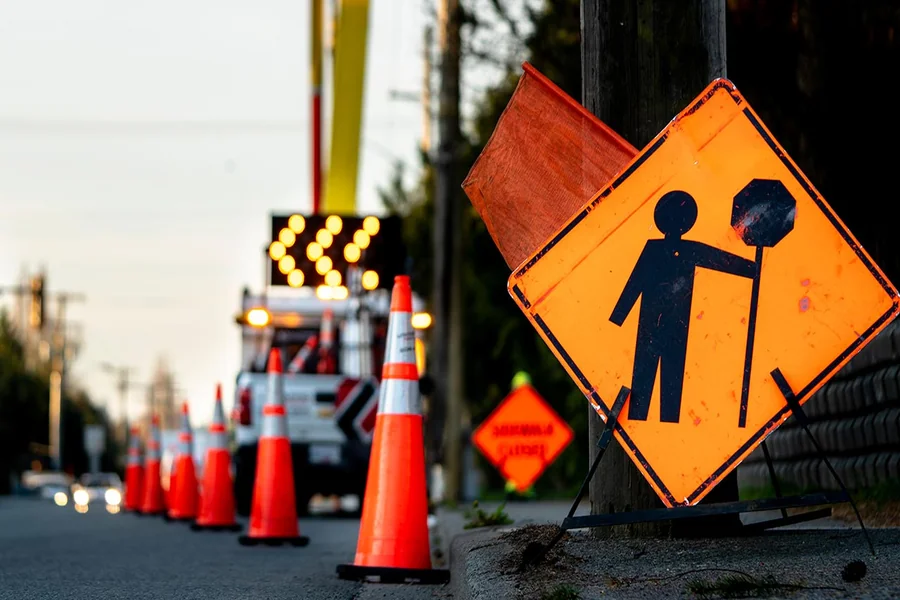
Traffic control companies provide and install a wide range of equipment, including traffic cones, barriers, road signs, flashing lights, and temporary signals. Proper placement of these tools is crucial to guide drivers safely and prevent accidents.
- Flagging and Personnel Management:
Flaggers and traffic control officers are trained personnel who direct traffic at construction sites or event locations. They use hand signals, flags, or electronic devices to communicate with drivers, ensuring smooth flow and minimizing risk.
- Monitoring and Adjustments:
Traffic control is not a one-time setup. Companies continuously monitor traffic conditions and make adjustments as needed. For example, if congestion develops during peak hours, additional staff or alternative routes may be deployed.
- Compliance with Legal and Safety Standards:
Traffic control companies must adhere to local, state, and federal regulations. These include occupational safety guidelines, road work standards, and transportation codes. Compliance ensures the company avoids legal liabilities while keeping workers and the public safe.
Technology in Traffic Control
Modern traffic control companies increasingly rely on technology to enhance safety and efficiency. Technologies commonly used include:
- Traffic Signals and Smart Lights: Some companies integrate temporary smart signals that adjust based on traffic flow, helping to reduce congestion.
- Digital Signage: Electronic boards can provide real-time updates to drivers about detours, lane closures, or delays.
- CCTV and Drones: Monitoring traffic through cameras or drones allows companies to respond quickly to incidents or congestion.
- Traffic Modeling Software: Simulation tools help plan detours, lane closures, and other traffic control measures before implementation, reducing errors and improving safety.
Importance of Traffic Control Companies
The services provided by traffic control companies are vital for public safety, efficiency, and economic reasons:
- Reducing Accidents:
Proper traffic management reduces the likelihood of collisions, injuries, and fatalities. Clear signage, barriers, and personnel guidance help drivers navigate complex or temporarily disrupted roadways safely.
- Maintaining Traffic Flow:
By managing congestion and implementing detours efficiently, traffic control companies ensure that daily commutes, commercial deliveries, and emergency services are not unnecessarily delayed.
- Protecting Workers:
Construction and road maintenance workers are exposed to significant risks from passing vehicles. Traffic control personnel and equipment protect these workers by creating safe work zones.
- Supporting Economic Activity:
Road construction, utility maintenance, and large events contribute to economic activity. Efficient traffic control reduces delays and ensures that businesses, deliveries, and services continue with minimal disruption.
- Legal Compliance:
Local and national laws require specific traffic control measures in certain situations, such as highway construction or public events. Traffic control companies ensure compliance, preventing fines and liability issues for governments or private contractors.
Training and Certification
Traffic control companies invest in the training and certification of their staff to meet safety and operational standards. Flaggers, for instance, must complete safety courses covering hand signals, hazard recognition, communication, and emergency response. Some certifications are legally mandated, such as those by the Department of Transportation in various countries, ensuring that personnel can handle high-risk environments professionally and safely.
Challenges Faced by Traffic Control Companies
While traffic control companies provide essential services, they face several challenges:
- Unpredictable Traffic Conditions: Sudden accidents, weather changes, or high congestion can disrupt even the most carefully planned TMPs.
- Public Compliance: Drivers sometimes ignore signage or instructions, creating safety risks for both traffic control staff and other motorists.
- Technological Costs: Advanced traffic monitoring systems and equipment can be expensive, requiring ongoing investment.
- Staff Safety: Traffic control officers work in close proximity to moving vehicles, which can be hazardous despite safety measures.
Trends in the Industry
The traffic control industry is evolving with advancements in technology and urban planning:
- Integration with Smart City Initiatives: Many urban areas are implementing traffic management systems that communicate with city infrastructure to optimize traffic flow. Traffic control companies increasingly contribute to these initiatives.
- Sustainability and Eco-Friendly Practices: Companies are adopting sustainable materials for signage and barriers and implementing solutions that minimize fuel consumption from idling vehicles in congested zones.
- Automation and AI: Artificial intelligence and automated traffic management tools are starting to complement human staff, especially for monitoring traffic patterns and predicting congestion.
Choosing a Traffic Control Company
Selecting the right traffic control company requires considering several factors:
- Experience and Expertise: Companies with a strong track record in various traffic scenarios, including construction, events, and emergencies, are preferable.
- Compliance and Certification: Ensuring that the company follows all legal requirements and safety standards is crucial.
- Technology and Equipment: Modern, well-maintained equipment and access to smart traffic management tools can enhance efficiency.
- Responsiveness: The ability to quickly adjust plans in response to real-time traffic conditions is essential.
- Reputation: Positive reviews, client references, and safety records indicate a reliable and professional service provider.
Conclusion
Traffic control companies are a cornerstone of public safety and urban mobility. Their work ensures that roads, construction sites, and public events are safe for everyone involved. From planning and risk assessment to deploying personnel and technology, these companies manage the complexities of traffic flow in dynamic environments. As urban populations grow and road networks become busier, the role of traffic control companies will become even more critical. Their ability to combine strategic planning, skilled personnel, and modern technology ensures not only the safety of workers and drivers but also the smooth functioning of modern society.
In essence, a traffic control company is not just a service provider—it is a guardian of safety, an orchestrator of order, and a critical partner in the infrastructure and urban life of communities. Understanding their function and impact helps us appreciate the unseen work that keeps our roads safe and our cities moving.