
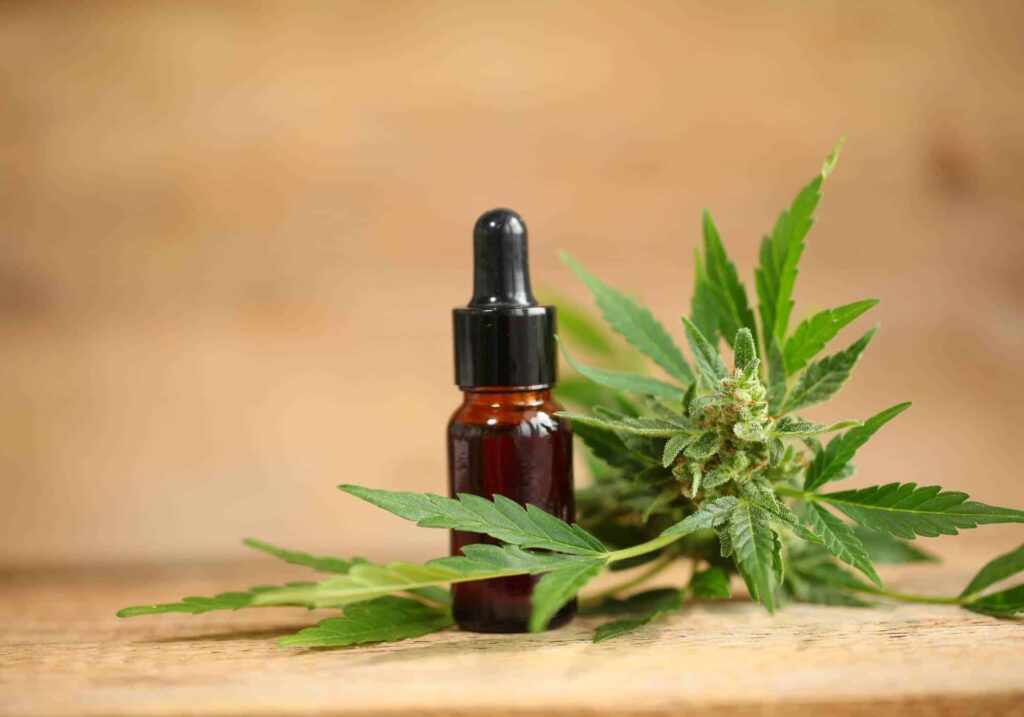
THCA, short for tetrahydrocannabinolic acid, is a naturally occurring cannabinoid found in raw and unheated cannabis plants. It is the chemical precursor to THC, the compound most people associate with the psychoactive effects of cannabis. While THC is well known for producing a “high,” THCA is non-psychoactive in its natural state. This key difference has sparked growing interest in THCA among researchers, wellness enthusiasts, and consumers seeking alternative cannabis experiences.
What Is THCA?
THCA is produced within the trichomes of the cannabis plant during its growth and development. In freshly harvested cannabis, most of the THC exists in the form of THCA rather than active THC. The conversion of THCA into THC occurs through a process called decarboxylation. This process happens when cannabis is exposed to heat, such as through smoking, vaping, baking, or even prolonged exposure to light and air.
Because THCA remains chemically stable in raw cannabis, it does not cause intoxication. This makes THCA particularly appealing to individuals who want to explore cannabis-related compounds without experiencing psychoactive effects.
THCA and Its Chemical Structure
The difference between THCA and THC comes down to a small but important chemical detail. THCA contains an additional carboxylic acid group in its molecular structure. This extra group prevents THCA from binding effectively to CB1 receptors in the brain, which are responsible for the mind-altering effects of THC. Once heat removes this carboxyl group, THCA becomes THC and can interact directly with these receptors.
This subtle chemical distinction demonstrates how minor changes at the molecular level can dramatically alter how a compound affects the body.
THCA vs. THC: Key Differences
Although closely related, THCA and THC serve very different purposes. THC is widely used for both recreational and medicinal purposes due to its psychoactive effects, mood enhancement, and pain-related applications. THCA, on the other hand, is non-psychoactive and does not impair cognitive function when consumed raw.
This difference makes THCA attractive to people who want to remain clear-headed, including those who prefer daytime use or who are sensitive to THC. It also opens the door for research into potential wellness applications without intoxication.
Potential Benefits of THCA
Scientific research into THCA is still in its early stages, but preliminary studies suggest several potential benefits. One of the most commonly discussed properties of THCA is its potential anti-inflammatory effect. Inflammation plays a role in many chronic conditions, and THCA may interact with the endocannabinoid system to help regulate inflammatory responses.
THCA has also been studied for its possible neuroprotective properties. Early laboratory research indicates that it may help protect nerve cells from damage, which has led to interest in its role in brain health. Additionally, some studies suggest that THCA may help reduce nausea and support appetite regulation.
Another promising area of research involves THCA’s antioxidant potential. Antioxidants help protect cells from oxidative stress, which is linked to aging and various health concerns. While more human-based research is needed, early findings suggest THCA may contribute to cellular protection.
How THCA Is Consumed
To maintain its non-psychoactive properties, THCA must be consumed without heat. Common methods include juicing raw cannabis leaves and flowers, blending raw cannabis into smoothies, or using cold-processed tinctures and extracts designed to preserve THCA content.
In recent years, high-THCA flower and concentrates have become popular in certain markets. It is important to understand that when these products are smoked or vaped, THCA is converted into THC, resulting in psychoactive effects. For individuals seeking the benefits of THCA alone, raw or cold-extracted consumption methods are essential.
Legal Status of THCA
The legality of THCA can vary widely depending on location. In some regions, THCA derived from hemp is legal as long as the product meets specific THC limits at the time of testing. However, because THCA can easily convert into THC, some jurisdictions classify it similarly to THC under cannabis regulations.
Consumers should always check local laws before purchasing or using THCA products. Understanding the legal framework helps ensure compliance and avoids potential complications.
THCA in the Cannabis Industry
As interest in non-psychoactive cannabinoids grows, THCA has gained a stronger presence in the cannabis industry. Breeders are developing strains with higher THCA levels, and manufacturers are creating products designed to preserve its acidic form. Education and transparency have also increased, helping consumers better understand what THCA is and how it works.
The Future of THCA
THCA represents an important area of ongoing cannabinoid research. As scientific studies continue, a clearer picture of its potential benefits and applications is likely to emerge. With rising demand for non-intoxicating cannabis options, THCA may play a significant role in the future of cannabis-based wellness and research.
In conclusion, THCA is a unique and valuable cannabinoid that highlights the complexity of the cannabis plant. Its non-psychoactive nature, potential therapeutic properties, and foundational role in THC formation make it a topic worth exploring. As awareness and research expand, THCA is poised to become an increasingly recognized component of the cannabis landscape.