
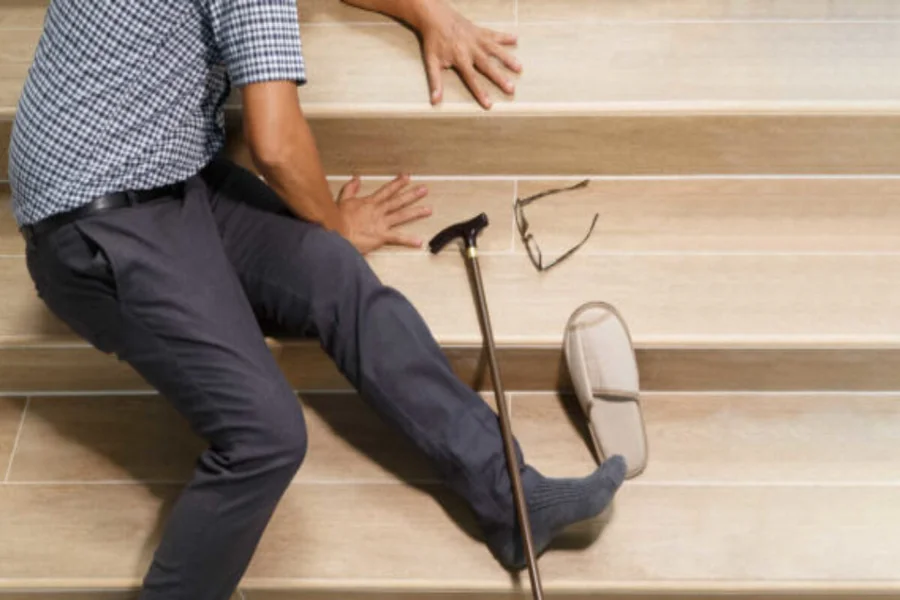
Slip and fall accidents in New York can wreck your health, your work, and your sense of safety in one quick moment. Yet many people stay quiet. They blame themselves, fear high costs, or think no one will believe them. That silence often comes from myths that property owners and insurers repeat until you accept them as truth. You may think you cannot recover if you were distracted. You may think ice, spills, or broken steps are “just bad luck.” You may think only dramatic injuries count. Each of these myths protects someone else’s wallet, not your recovery. This blog cuts through the five most common lies about slip and fall cases in New York. You will see what the law actually expects from you and from property owners. You will also see when personal injury attorneys can step in to protect your rights.
Myth 1: “If I was careless, I cannot bring a claim.”
New York uses “comparative negligence.” That means a court can split fault between you and the property owner. Your own carelessness does not erase your claim. It can reduce it.
For example, you might:
- Look at your phone while walking
- Miss a warning sign that is small or hidden
- Wear shoes with poor grip
The law still looks at what the owner did. Did the owner know about the hazard. Did the owner have enough time to fix it or warn you. A wet floor with no sign in a busy store is different from a brand new spill that staff could not see yet.
Here is a simple way to see how shared fault can affect money awards.
Sample effect of shared fault in New York slip and fall cases
| Scenario | Owner fault | Your fault | Total damages | Your possible recovery
|
|---|---|---|---|---|
| Clear hazard, no warning, you were careful | 100% | 0% | $100,000 | $100,000 |
| Hazard with poor lighting, you were distracted | 70% | 30% | $100,000 | $70,000 |
| Obvious hazard, you ignored signs | 40% | 60% | $100,000 | $40,000 |
You do not need to sort out these numbers on your own. You only need to speak up early and tell the full truth.
Myth 2: “If I did not break a bone, I do not have a case.”
Many people walk away from falls because they can still stand. Pain shows up later. The Centers for Disease Control and Prevention explains that falls can cause head injuries, hip injuries, and long term pain even when you first feel “fine.” You can read more about fall injuries at the CDC site here: https://www.cdc.gov/homeandrecreationalsafety/falls/adultfalls.html.
Common injuries after a slip and fall include:
- Sprains and strains in ankles, knees, or wrists
- Back or neck pain
- Concussions or other head injuries
- Deep bruises that limit movement
These injuries can keep you from working or caring for your family. They can also grow worse without care. New York law does not require a dramatic injury. It requires proof that the hazard caused real harm. That harm can be physical pain, lost wages, or medical bills.
Myth 3: “If I fell on ice or snow, it is just bad weather.”
Snow and ice are common in New York. They are not an excuse for unsafe property. Owners have duties under local rules and state law to clear walkways within set time frames after a storm. The New York City Department of Sanitation explains shoveling and salting rules for sidewalks here: https://www.nyc.gov/site/dsny/collection/residents/snow-ice.page.
In many places owners must:
- Remove snow and ice within a set number of hours after snowfall stops
- Use salt, sand, or other material to reduce slipping
- Clear building entrances and common paths
Wet, slushy, or refrozen spots can still point to poor upkeep. The key questions are simple. Did the owner act in a reasonable time. Did the owner use basic steps that other owners use in the same conditions. Your fall is not a random act of nature if the property stayed unsafe long after the storm passed.
Myth 4: “If I did not report the fall right away, I lost my rights.”
Quick reporting helps. It is not always possible. You might focus on pain. You might feel shame or shock. You might rush to care for a child who also fell. New York law sets time limits to start a case. These limits are often years, not hours. The exact limit depends on who owns the property. Private owners often have different rules than cities or public agencies.
Still, you should act as soon as you can. You can:
- Report the fall to the store, landlord, or property manager
- Ask for a copy of any incident report
- Take photos of the hazard and your injuries
- Write down names of witnesses and staff
Each day that passes makes proof harder to find. Cameras record over footage. Staff forget what they saw. Weather changes the scene. Early action protects your story and gives you more control. Late reporting does not end your claim, but it can give the other side more room to doubt you. Quick steps close that gap.
Myth 5: “I cannot afford help from a lawyer.”
Cost fear keeps many families silent. Most injury lawyers use a “contingency fee.” That means you do not pay up front. The lawyer gets paid only if you recover money. The fee comes from that recovery. This structure lets you stand on equal ground with large insurers that have their own teams ready.
When you talk with a lawyer, you can ask:
- How do you charge
- What share of any recovery goes to fees
- Who pays case costs if we lose
- How often will you update me
You control whether to move forward. A first talk is often free. That first talk can give you clear answers about your options, your deadlines, and your next steps.
Moving forward after a slip and fall
A fall can steal your sense of control. Myths keep you stuck there. Truth gives you choices. You have the right to ask simple questions. Was the property safe. Did the owner act with care. Did this hazard cause real harm.
You also have the right to seek medical care, report the incident, gather records, and ask for legal help. Each step brings you closer to steady ground. You do not need to accept blame or silence that protects someone else’s comfort at the cost of your health and security.